A cat water fountain can look like a straightforward sale purchase, but the better decision is usually about fit: the price you can verify today, the capacity your household can manage, the upkeep you can realistically sustain, and the replacement support documented for that model. This guide uses those practical ownership inputs rather than trying to predict the next promotion. It offers general product information only and is not veterinary guidance.
When a Sale Price Is Not the Whole Cost
A lower checkout price can be useful, but it is only one part of the ownership picture. Before treating a promotion as a saving, compare the fountain’s stated capacity, its filtration arrangement, its cleaning design, its power setup, and the parts you may need to replace during its usable life. Those details influence how often you refill, clean, buy consumables, or look for a compatible component.
Official product pages show why this comparison matters. Petlibro describes the Dockstream 2 Smart Fountain as having a detachable 3-litre tank, four-layer filtration, and reminders for refilling, filters, and cleaning. Pioneer Pet’s fountain catalogue separately lists replacement filters, pump housing, pumps, transformers, gaskets, and fittings. Together, these examples show that a fountain decision can involve both the appliance and a support ecosystem around it.
That does not mean every household will spend the same amount or follow the same routine. Your total depends on the specific model, local availability, retailer price, and how you use and maintain it. A sale is most meaningful when it reduces the cost of a fountain that already suits your routine.
Match Capacity and Refill Routine Before You Buy
Start with the amount of water the fountain holds and the way that capacity fits your normal refill routine. A larger stated capacity may reduce how often you need to top up the reservoir, but it does not automatically make a particular fountain the best value. Consider how many cats will use it, where it will sit, how readily you can check the water level, and whether the tank is convenient to remove and refill.
Petlibro states that its Dockstream 2 Smart Fountain has a detachable 3-litre tank. That is a useful planning detail: a detachable reservoir may make a regular refill-and-clean routine easier for some households, while the 3-litre figure gives shoppers a concrete capacity to compare with other models. The same official page also describes continuous and timed water-flow modes, cordless operation, and app-based refill, filter, and cleaning reminders. These are design features to assess, not promises that the fountain will suit every home.
Use capacity as a practical question rather than a badge. Ask whether the stated volume gives you a comfortable margin between routine checks, whether the fountain’s location makes refilling easy, and whether the parts you must handle are manageable for the person responsible for cleaning it. If a smaller model is simple to refill and clean consistently, it may fit better than a larger option that complicates the routine.
The reverse can also be true. If refilling is inconvenient in your household, a larger documented tank may be worth paying for even if it is not discounted. Compare the current price only after you know what capacity and handling arrangement you need.
Build a Maintenance Cost Checklist
Maintenance is where an attractive sale price can become less clear. Build a short checklist before you compare offers:
- Filters: Identify the filter type, pack size, intended model compatibility, and the current price of replacements.
- Cleaning access: Look for removable tanks, trays, housings, and any manufacturer instructions that affect how easily you can clean the fountain.
- Power arrangement: Check whether the design is cordless, mains powered, USB powered, or uses a transformer, and confirm what is included with the model you are considering.
- Moving or replaceable components: Note pumps, motors, pump housings, gaskets, tubes, and fittings that may be listed for the relevant product family.
- Support terms: Read the current manufacturer warranty, return, and retailer terms rather than assuming a sale item has the same conditions everywhere.
The Dockstream 2 product page documents four-layer filtration, a pump-free design, a dishwasher-safe stainless-steel water tray, and a detachable tank. Those features may help you evaluate the tasks involved in a cleaning routine, but they do not make any fountain maintenance-free. Petlibro also documents reminders for filters and cleaning; reminders can help organise a routine, while the work and consumable purchases still need to be planned.
Pioneer Pet’s catalogue shows that filters, pump housings, pumps, transformers, gaskets, and other parts can be separately listed within a fountain range. That is a useful prompt to check the exact model and part before ordering. Do not assume a component shown in a catalogue will fit every fountain from the brand, remain available indefinitely, or have a fixed future price.
This checklist is also a guardrail against buying based on an advertised percentage off. Two fountains with similar sale prices can create different ongoing purchases and cleaning demands. Check those inputs first, then compare the prices you can verify today.
Check Replacement Parts Before Chasing a Discount
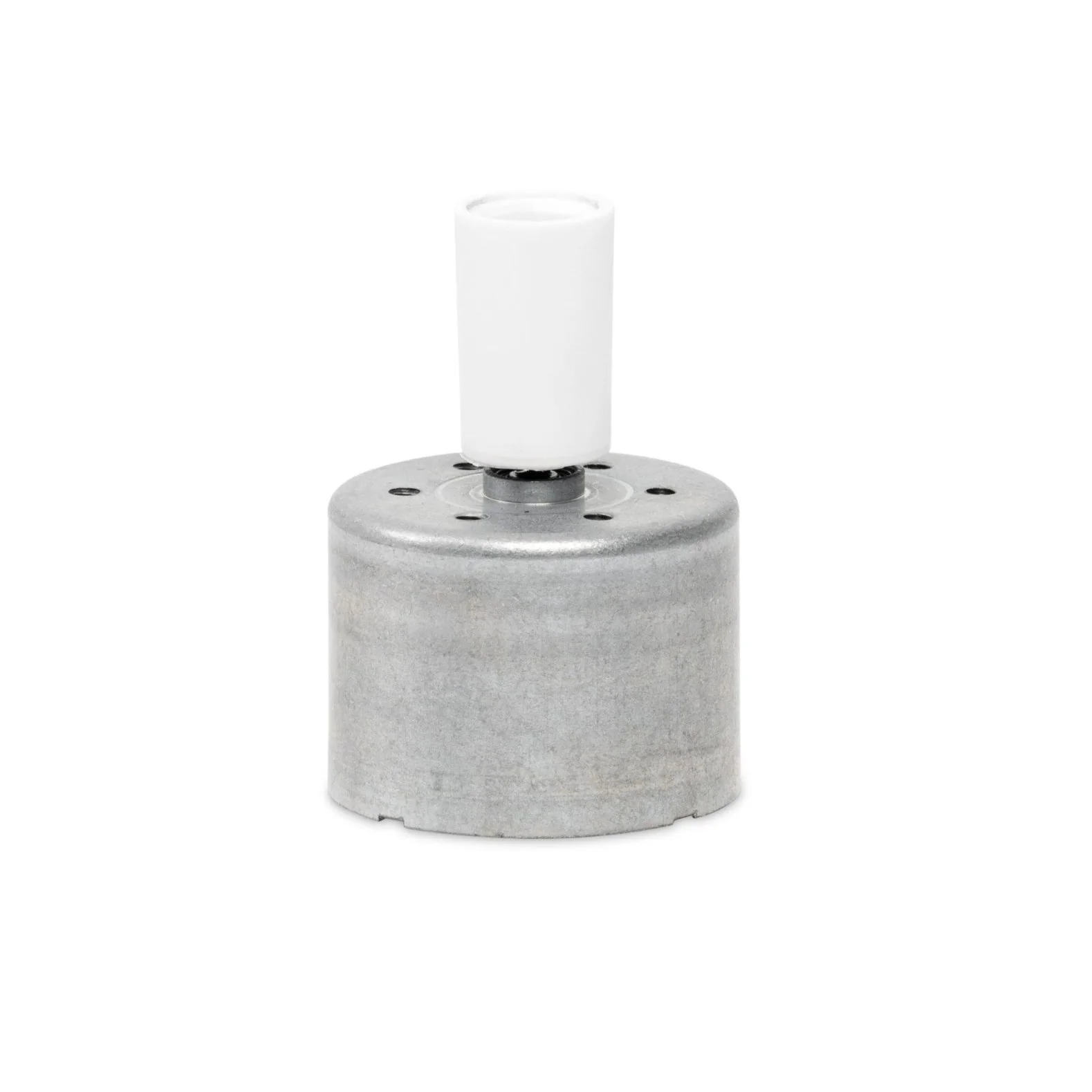 Replacement support deserves a place beside price, capacity, and appearance. A manufacturer listing for a replacement component can show that a part has been designed for a named fountain or product family. It cannot guarantee future stock, future pricing, or compatibility with another version, so the exact model reference remains important.
Pioneer Pet’s official fountain catalogue provides a clear example of the range of items a shopper may need to investigate. It lists replacement filters for ceramic and stainless-steel fountains, filters for plastic fountains, a replacement pump housing for ceramic and stainless-steel fountains, a 12V pump and transformer, a 5V pump and USB transformer, an auto shut-off pump, and several gaskets or fittings. Use those listings as a reminder to identify the component category before you buy—not as evidence that all Pioneer Pet parts work together.
PetSafe provides another model-specific example. Its Outlast Pet Fountain Replacement Motor page says the motor is designed for the 60oz, 90oz, and 128oz Outlast Pet Fountain models identified on that page. This is the kind of wording to look for: a part name paired with explicit compatible models. Check the model identifier on your fountain, the item description, and the current seller details before adding a replacement to the basket.
A discounted fountain may still be a sensible buy when compatible filters and essential components are documented and currently obtainable at prices you accept. If you cannot confirm the relevant consumables or part compatibility, the headline discount is incomplete information. It can be reasonable to pause and verify rather than assume a similar-looking part will work.
Compare Total Ownership Cost Over Time
You do not need a forecast of future sales to compare two fountains. Use a simple current-price framework instead:
total ownership estimate = verified purchase price + recurring consumables + likely replacement components + any routine-specific costs
The calculation is intentionally personal. Record the current price from the retailer you may actually use, then list the consumables and components documented for the exact model. For example, a buyer comparing a fountain with listed replacement filters may enter the current filter-pack price and the replacement schedule they intend to follow from the manufacturer’s instructions. A buyer considering a model with a separately listed motor or pump can note the current component price as a contingency, without assuming that replacement will definitely be needed.
Next, add the routine factors that matter in your home. A detachable 3-litre tank may be valuable if it makes refilling and cleaning easier for you. A listed pump, transformer, or housing may matter if you want a clearer route to model-specific replacement support. These are not universal savings claims; they are comparison inputs.
Keep the time period consistent. You might compare the purchase date plus the next several months of planned consumables, or use a full year if you have reliable current prices and manufacturer guidance for the exact products. Do not fill gaps with assumed future promotions, assumed stock, or guessed replacement intervals. Recheck retailer pricing, manufacturer compatibility information, return terms, and available parts immediately before ordering.
The result is not a guarantee of the lowest lifetime cost. It is a more useful decision record than the sticker price alone because it makes the trade-offs visible. If one option costs more today but better matches your capacity needs and has documented compatible support, that may be worth the difference for your household. If those benefits do not matter to your routine, the lower current price may carry more weight.
Choose a Buying Window That Fits Your Situation
Buying now can make sense when the fountain already meets your capacity, cleaning, power, and support requirements and its current price fits your budget. Confirm the exact model, its consumables, and the seller’s current terms before you order. A real, verified price for a suitable model is more actionable than a hoped-for future discount.
Waiting can make sense when an important input is unclear. Perhaps you cannot confirm which filters fit, whether a replacement pump is model-specific, or whether the tank size suits the person who will refill it. Waiting in this situation is not a prediction that prices will fall; it is time to gather the information needed for a sound comparison.
If an existing fountain has a failed component, first identify the model and check whether an official replacement listing names it. PetSafe’s Outlast replacement motor page, for example, specifies compatible Outlast sizes. Where an exact compatible part is currently available and the rest of the fountain still fits your routine, replacing that component may be an option to compare against purchasing a new unit. Where compatibility or support cannot be verified, avoid treating a replacement as certain.
The key is conditional timing: buy when the verified current offer and the documented ownership setup work for you, wait when critical information is missing, and compare repair versus replacement using exact model evidence.
A Practical Pre-Checkout Checklist
Run through this short list immediately before placing an order:
- Confirm the exact fountain model, capacity, materials, and power arrangement from the manufacturer or seller.
- Check the current price, delivery charges where applicable, and return terms at the retailer you plan to use.
- Identify compatible filters and any named pumps, motors, housings, transformers, gaskets, or fittings.
- Confirm that the replacement listing names your model or product family; do not rely on appearance alone.
- Review cleaning-related features and decide whether the refill and cleaning routine is realistic in your household.
- Treat capacity as a refill-planning input, not a guarantee of value or suitability.
- Save the product and part references you used for the comparison so you can recheck them if the listing changes.
This sequence keeps the final decision grounded in what you can verify now. It also prevents a promotion from doing all the decision-making for you.
Frequently Asked Questions
Should I wait for a sale before buying a cat water fountain?
Wait if you still need to verify model fit, filter compatibility, cleaning practicality, or replacement support. Buy when a fountain meets those needs and its current, verified price is acceptable to you. This approach does not require guessing whether a later promotion will be better.
How do replacement filters and pumps affect the real cost of a fountain?
They are ongoing ownership inputs. Pioneer Pet’s official catalogue lists several filter types as well as pump-related components, and PetSafe lists an Outlast replacement motor for named Outlast fountain sizes. Check the exact model, the current part price, and compatibility wording before including a component in your comparison.
Is a larger-capacity fountain always the better value?
No. Capacity can help you plan refills, but value also depends on cleaning access, consumables, power arrangement, household routine, and the current price. Petlibro’s Dockstream 2 is documented with a detachable 3-litre tank; whether that setup is worthwhile depends on your own refill and cleaning routine.
What should I check to confirm that replacement parts fit my model?
Match the fountain’s exact model name or identifier to the wording on the official part listing. Look for stated compatibility, such as PetSafe’s identification of specific Outlast fountain sizes for its replacement motor. If the listing does not clearly cover your model, ask the manufacturer or retailer before ordering rather than assuming compatibility.
Sources
Related reading
- Best cat water fountains: an evidence-led comparison of cleaning, capacity, materials and filter upkeep
- PetSafe cat water fountain review: range, capacity, materials and maintenance trade-offs
- How to choose a cat water fountain for your home, routine and cleaning tolerance
- How to spot a genuine cat water fountain deal using total ownership cost and replacement-part support
Editorial information: About our editorial team · Read our editorial policy · Read our affiliate disclosure.